


Website redesign for B2B and SaaS teams, built on what already works.
A good website redesign agency changes how your site sells without throwing away the traffic and leads it already earns. Our website redesign services start with your Search Console, analytics and CRM data: we keep the pages that rank and convert, and rebuild the rest on Webflow or custom code.
100+ launches in 6+ years, including 60+ B2B SaaS websites.
Trusted by +100 B2B companies:





























































Start with what your current site already wins.
Plenty of redesigns start with what people dislike about the current site. We start with what it does well, because those pages hold your rankings and generate your leads. Before any design work, we pull twelve months of Search Console and analytics data and sort every URL into five groups.
- Keep. Pages that rank and convert. Their URLs, headings and core copy stay unless there's a clear reason to change them.
- Improve. Pages with impressions but few clicks, or traffic but few conversions. They get new copy and layouts first.
- Merge. Thin or overlapping pages that compete for the same searches. We combine them and redirect the old URLs to the new one.
- Retire. Pages with no traffic, no links and no use in sales. Each one comes down with a 301 to its closest match.
- Add. Pages buyers look for and can't find today, such as pricing, security, integrations and comparisons.
That inventory becomes the redirect map, the sitemap and the timeline in the website strategy plan, the first step of our build process.
 Keep
Keep Improve
 Merge
Merge Retire
 Add
AddHow we plan and run a website redesign.
Our redesign process has seven steps, and strategy, design and development stay with one team from the first audit to launch. You know what happens when, and what we need from you at each step.
01 Audit and business goals
Analytics, Search Console and CRM data, a review of competitor sites, and a conversation with sales. We agree what the redesign project has to achieve before anything else.
02 Website strategy plan
The sitemap, URL map, project scope, platform and timeline, signed off before design starts. It's your redesign strategy in one document.
03 Wireframes and content
Page structure, navigation and the route each type of buyer takes through the site, with copy written or edited alongside.
04 UI/UX design and design system
Website design for desktop and mobile devices, built from a design system so every new page matches the last. Navigation and text stay easy to use on a phone.
05 Component library build and website development
Webflow or custom development, with interactions, breakpoints and integrations built in.
06 Content migration and QA
Every page moved and checked by hand and every redirect tested. Then browsers, speed, accessibility and mobile usability get tested before launch.
07 Launch, training and handoff
We're there for the go-live, then we train your team and support the redesigned website while traffic settles.







Design for buyers who decide before they call you.
B2B buyers make most of their decision before they talk to anyone. In 6sense's 2025 Buyer Experience Report, 94% of buyers had already ranked their preferred vendors by the time they made first contact. That contact came about 61% of the way through their purchase. Good B2B web design does that early selling, so we design around the questions a buying group asks.
- Positioning. One clear statement of who the product is for and why it wins, agreed with sales before the first wireframe.
- A path for each role. Champions want outcomes, technical evaluators want architecture and integrations, and finance wants to understand pricing. Each gets its own route through the site.
- Proof next to the claim. Customer logos, case studies, security details and review scores placed where doubt shows up, not saved for a logo wall.
- Conversion paths built for lead generation. Clear calls to action and demo, pricing and contact forms that ask for what your sales team needs and nothing more.
Rebuild on a system your marketing team can run.
A redesign that only an agency can update starts aging on launch day. We build a component library and a CMS structure so your team can publish pages, case studies and posts without opening a ticket.
- Component library. Sections designed and built once, then reused, with variables and design tokens that keep every page consistent.
- CMS structure. Collections for case studies, resources, integrations and jobs, with SEO fields bound to each item.
- The right platform. Webflow for most marketing sites, and custom code when the site needs logic Webflow doesn't handle well, such as deep product integrations or heavy personalization.
- Integrations. CRM, analytics, consent and enrichment tools connected during the build, not bolted on after launch.
- Training. Live sessions, video walkthroughs and documentation your marketers will actually open.
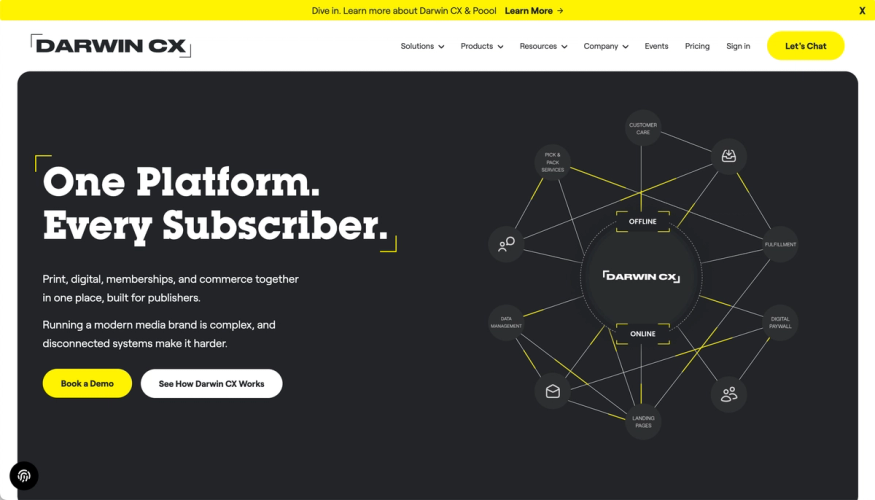
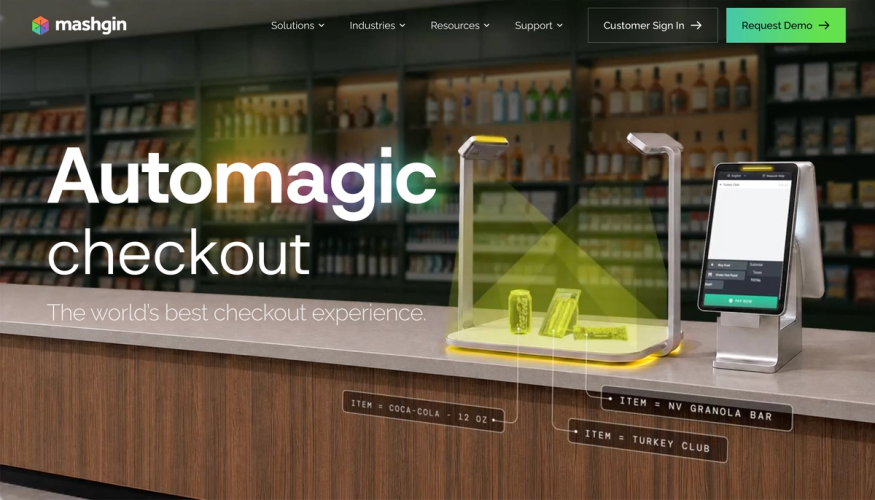
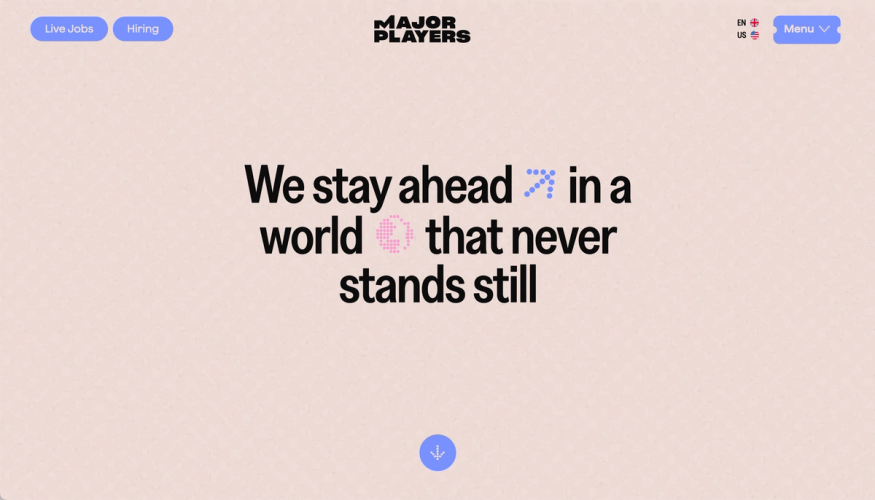
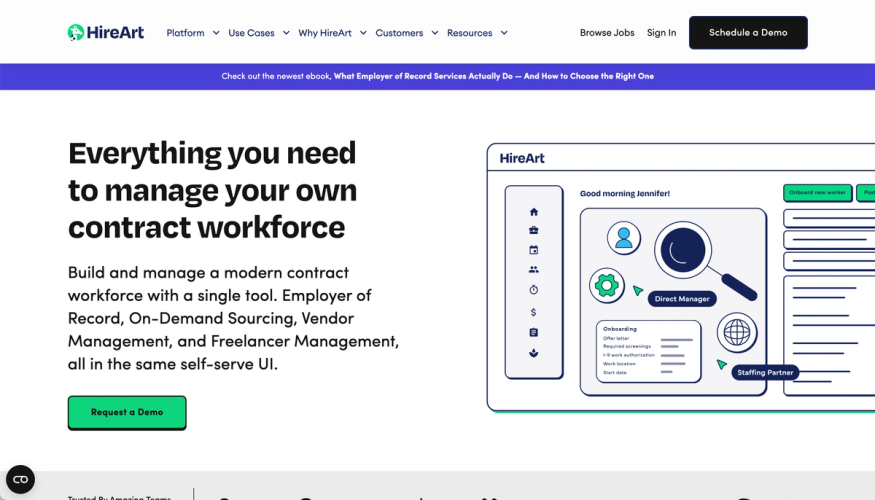
For JOOR, the wholesale platform for global fashion, we rebuilt 100+ pages in 8+ languages on one design system, and we've kept working with their team for more than three years.
 Sections
 CMS structure
 IntegrationsVariablesDesign tokens
Protect your rankings through launch.
Google treats a redesign that changes URLs as a site move, and its guidance on site moves is specific. We follow it to protect your search visibility, and we add checks for what a redesign changes even when the URLs stay put.
- A URL map and permanent redirects. Every old URL mapped to its new address with a server-side 301, one hop each. Google advises keeping redirects for at least a year.
- Content parity on your best pages. Headings, body copy, internal links and metadata on Keep pages carry over, because layout and content changes can move rankings even when URLs don't.
- One change at a time where possible. Google suggests not combining a new platform and a new layout in a single release. When a redesign has to do both, we hold the copy of top-ranking pages steady at launch and change it in a second release.
- Testing on staging. We crawl the new site on a no-index staging copy, follow every redirect, and check canonicals, sitemaps and structured data before the switch.
- Monitoring after launch. Search Console coverage, 404s and the Keep pages get checked daily for the first weeks. Google says to expect some ranking fluctuation during a move, so we agree in advance what normal looks like.
 URL map
 Testing on staging
 Monitoring after launch
Fast, findable and ready for AI search.
Every redesign ships with the groundwork for search engine optimization and AI search already in place.
- Core Web Vitals. Templates built to Google's "good" thresholds: Largest Contentful Paint of 2.5 seconds or less, Interaction to Next Paint of 200 milliseconds or less, and Cumulative Layout Shift of 0.1 or less. Images, fonts and scripts get the same performance optimization.
- Technical SEO. One H1 per page, canonical tags, XML sitemaps, internal links and image alt text, set for every page and every CMS item.
- Structured data. Organization, breadcrumb, article and FAQ markup wherever the page content supports it.
- AEO readiness. Content rendered on the server, because most AI crawlers don't run JavaScript yet; access for search crawlers such as OAI-SearchBot and PerplexityBot; and answers written in plain sentences. AEO and GEO work continues after launch.

 Largest Contentful Paint
 Interaction to Next PaintCumulative Layout ShiftContent rendered on the serverCore Web VitalsTechnical SEO
 Structured data
 AEO
AEOAfter launch: measure, fix, keep improving.
Launch is the halfway point of a redesign. For the first weeks we watch rankings, conversions and errors, then hand you a short plan for what to improve next.
- Post-launch support. Fixes and adjustments while traffic settles. Support continues for 30 days after launch.
- Before-and-after report. Search Console, analytics, form and CRM data, including lead quality, for every page that changed, compared with the baseline from the audit.
- Ongoing website support. Weekly updates, quarterly CRO audits and technical SEO monitoring, with SLA-backed response times, through ongoing website support.
- Growth. SEO, AEO and conversion optimization through Growth, for teams that want ongoing optimization and more pipeline every quarter.
 RankingsConversionsErrors
 Plan
Plan Weekly updatesQuarterly CRO auditsTechnical SEO monitoring
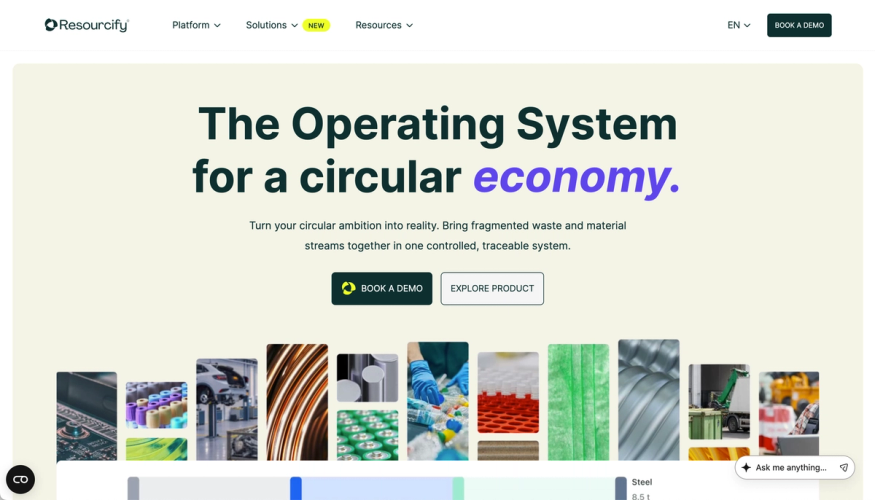
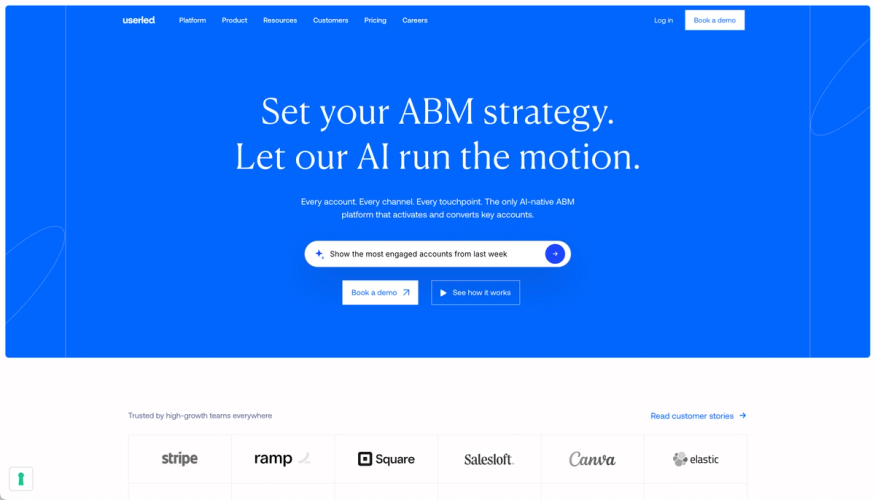
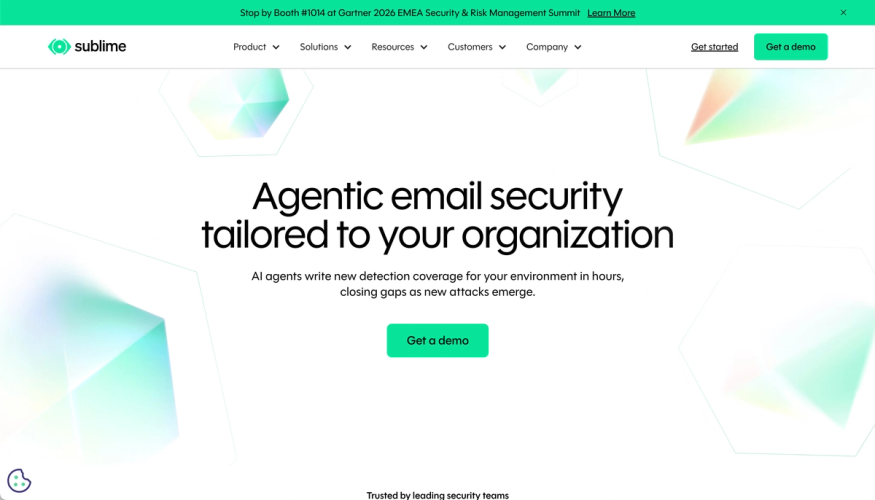
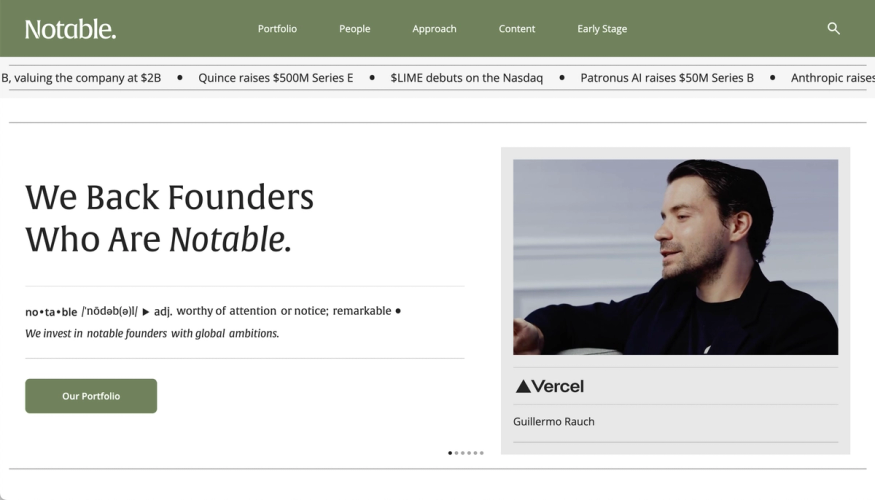
B2B and SaaS website redesigns on our work page.
6+ years of experience and 100+ launches speak for themselves.
 (opens in a new tab)

 (opens in a new tab)
 (opens in a new tab)

 (opens in a new tab)

 (opens in a new tab)
 (opens in a new tab)

When a redesign is the wrong call.
A new website is an expensive answer to some problems. Look at these cases before you commit.
- Too few of the right people visit. A redesign won't create demand. If website traffic is the problem, SEO, content and digital marketing will move it faster, on the site you already have.
- Traffic is healthy and the copy is the problem. Rewrite and test the key pages first. It's faster and cheaper than a rebuild.
- Your positioning is still moving. A redesign won't decide who the product is for. It will only make an unsettled message look finished.
- You need one page for a launch in two weeks. Build that landing page now and scope the redesign after the launch.
- The problem is in the product. In-app screens and dashboards are product design work, not a website redesign.
- No one will own the site after launch. Without an owner, a new site drifts back to where the old one is.




If none of these fits, a redesign is worth scoping.
Your website doesn't stop at launch.
A site your team can run on its own, and a growth program that keeps it bringing in pipeline long after launch.



Custom Websites & Migrations
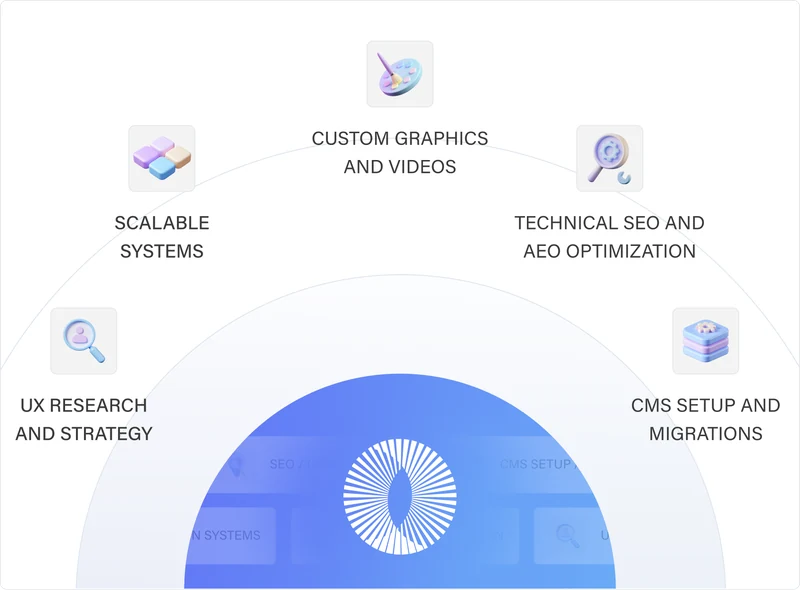
We work as an extension of your company’s marketing team to build scalable, high-converting, and SEO/AEO optimized websites using the right technologies for your business.
Learn MoreGrowth (SEO/GEO + CRO)
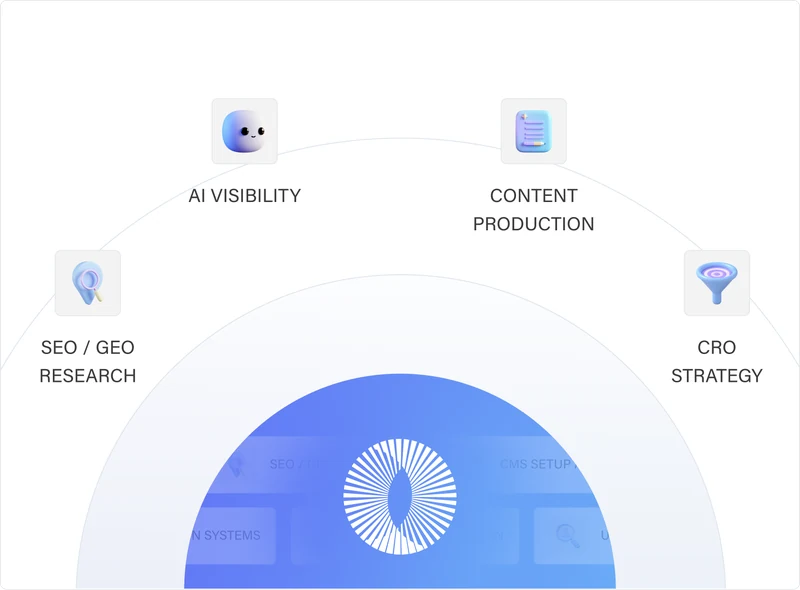
We drive traffic to your website through SEO and content strategy, then we convert those visitors into leads with the right CRO improvements.
Learn MoreOngoing Website Support
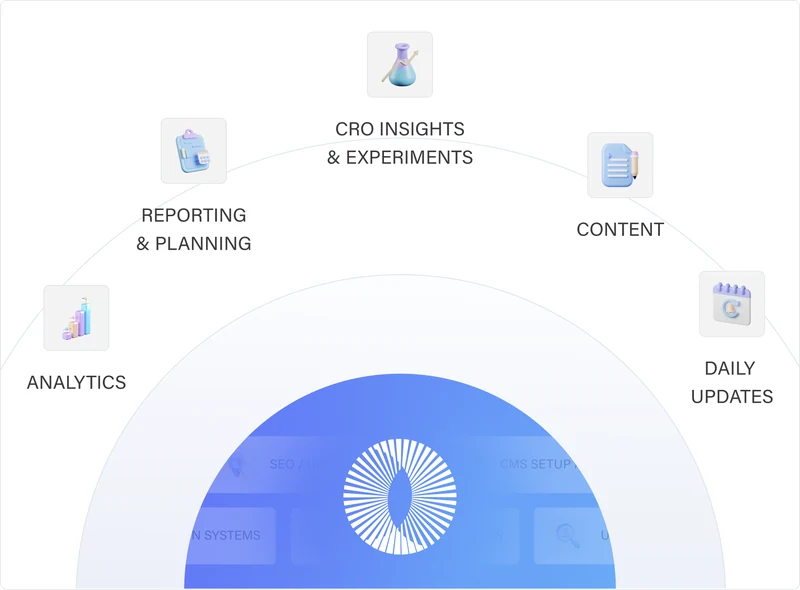
We provide the strategy, design, development, and support needed to keep it improving, without the cost and complexity of building an internal team.
Learn MoreTrusted by +100 companies




Website redesign agency FAQs.
How much do website redesign services cost?
Five things set the cost: the number of page templates, how much content moves, the integrations, whether the platform changes, and how much new copy you need. The pricing page lists a Design + Development plan billed monthly and a One Off plan for fixed-scope projects. Send your URL and page count, and we'll come back with a number.
How long does a B2B website redesign take?
Templates, content volume, the redirect map and the number of review rounds set the timeline, and we fix it in the website strategy plan once the audit is done. For reference, a WordPress to Webflow migration typically takes 3 to 4 weeks for about 20 pages and 6 to 8 weeks for a mid-size site with a blog. A large site takes 10 to 14 weeks, and a full redesign adds design time on top.
Will a website redesign hurt our SEO?
It can, if URLs change without redirects, top pages lose their content, or the new templates load slowly. Planned properly, rankings may move for a few weeks and then settle; Google says to expect temporary fluctuation during a site move. We map every URL, keep top-page content stable at launch, and check Search Console daily after the switch.
What should we check before hiring a website redesign agency?
Five things. Case studies in your category, with results. Real experience with the content management system you'll run, from Webflow to WordPress to custom code. A written SEO plan with a URL map, redirects and testing before launch. A proposal that lists the templates, pages, integrations and review rounds. And clear ownership: you should hold the domain, the code, the design files and the CMS account, with support after launch agreed before work starts. Any web design agency can show a portfolio. Ask a website redesign company for the redirect map from its last redesign, too.
How do we know it's time to redesign?
Look for structural problems rather than taste: your positioning or audience has changed, or your team can't publish a landing page without a developer. Other signs are key pages that convert worse each quarter, a CMS that limits what you can build, and a new brand identity on the way. If only the visuals feel dated, refreshing the existing templates usually costs less.
Do we have to move to Webflow?
No. We build most marketing sites in Webflow because marketing teams can run them, and we build custom-coded sites when a project needs logic Webflow doesn't handle well. The platform recommendation comes in the strategy plan, before any design work starts.
Can we keep publishing while you redesign?
Yes. Your current site stays live while the new one is built and tested on a staging copy. We pause content changes for the last few days before launch, so the final content move and the redirect tests match what's live.
What do you need from our team?
One decision-maker per review round, access to Search Console, analytics and your current CMS, an hour or two with sales to hear what buyers ask, and someone who will own the site after launch. Copy can come from your team or from ours, and if you have an in-house design team or brand guidelines, we build from them.
What happens after launch?
Support continues while traffic settles. After that, ongoing support is your choice: ongoing website support for weekly updates, CRO audits and technical SEO monitoring, or Growth for SEO, AEO and CRO work. You can also run the site in-house; we train your team before handoff.
Can you redesign only part of our site?
Yes. Common partial projects are a new homepage and product pages, a resources hub, or the pricing and demo pages. We still audit the whole site first, because changing one section affects navigation and internal links everywhere else.