


Website design for cybersecurity companies, built for buyers who verify everything.
Cybersecurity website design has to work for skeptics: CISOs, security engineers and procurement teams who check every claim. We design and build sites that give each of them the evidence they look for, from detection coverage and integrations to SOC 2 reports and pricing logic. No fear tactics, because they tune them out.
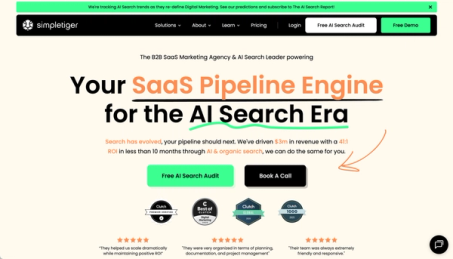
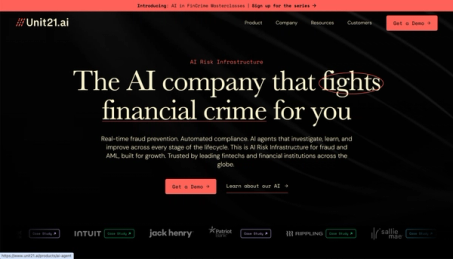
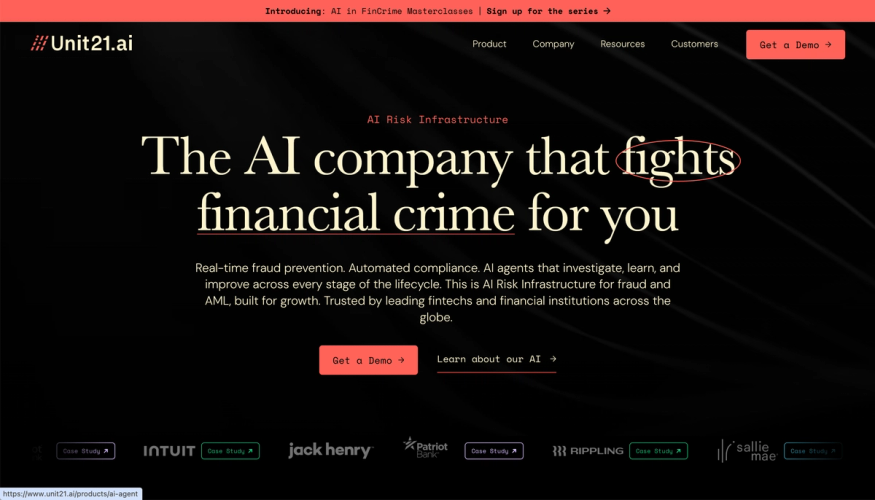
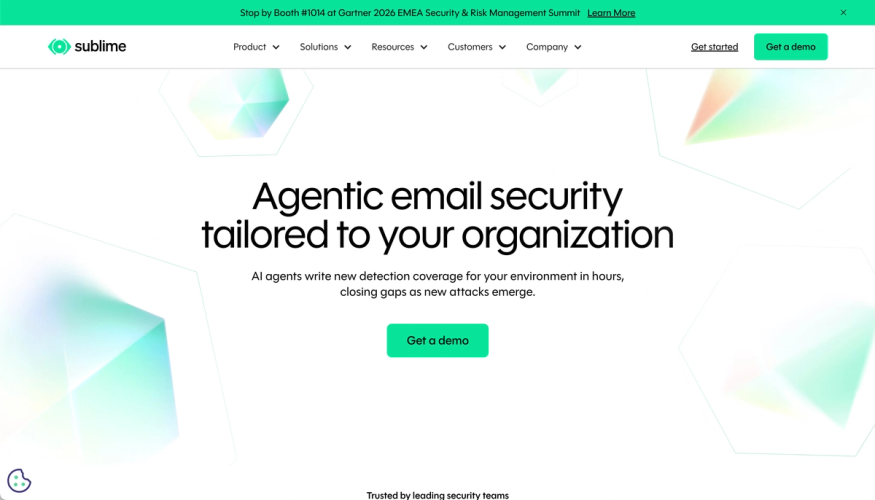
Security and risk companies on our work page include Sublime Security, Unit21, TripleKey, DeepSeas and Base Operations.
Trusted by +100 B2B companies:



























































Write for a buying committee that doesn't trust vendors.
Buyers in the cybersecurity industry are hard to convince, and the research says so. In a Sophos-commissioned survey of 5,000 IT and security decision-makers published in March 2026, 79% said new vendors are hard to assess and 47% said vendor information isn't factual or detailed enough. A Ponemon Institute study published in June 2026 found 52% of enterprise security buyers think vendor messaging lacks technical depth. So we design a separate path for each person in the deal.
- CISO and security leadership. How you reduce risk, the team time you save, and how you fit the stack they already run, in plain language.
- Security engineers and analysts. Architecture, detection logic, integrations, API documentation and deployment options, one click from any product page.
- IT, procurement, legal and risk management. Security questionnaire answers, SOC 2 and ISO evidence, subprocessors and data processing terms, collected in a trust center.
- Finance. How pricing works, and what the problem costs the business today.
 CISO
CISO Engineers
 Procurement
 Finance
Proof before persuasion.
The Sophos study found the strongest trust driver was verifiable evidence of security maturity, such as a public trust center, published advisories, bug bounty programs and third-party certifications. We design that evidence into the site instead of saving it for the sales deck.
- A trust center. A trust page on your site, or a hosted trust center from a platform such as Vanta, Drata or SafeBase. Buyers can request your SOC 2 report there and see certifications, policies and subprocessors.
- security.txt and a disclosure policy. A /.well-known/security.txt file as defined in RFC 9116, plus a vulnerability disclosure page. Researchers look for both, and they show buyers you practice what you sell.
- Customer evidence. Case studies with numbers, and named customers where contracts allow, placed next to the claims they support.
- Independent validation. Analyst mentions, third-party test results and certifications, each linked to its source.
- Specific claims. "Blocks credential phishing before it reaches the inbox" beats "unmatched protection". No absolutes, and no fear-led headlines.
 SOC 2 reportCertifications
 Policies
 SubprocessorsTrust centersecurity.txt
 Customer evidence
 Independent validation





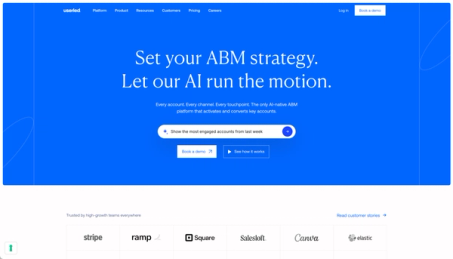

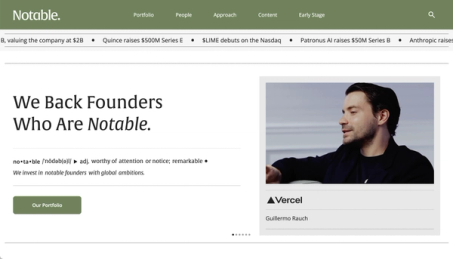
Design that explains the product, not the threat.
Security sites tend to look alike: padlocks, hooded hackers, glowing globes and lines of green code. Buyers have seen them all, and none of it shows what your product does. We design around the product instead.
- A home page that says what you protect. Your category, who it's for and what it protects, readable in the first screen without scrolling.
- Product visuals over stock imagery. Real UI, architecture diagrams and data visualizations explain more than illustrations, and they age more slowly.
- A visual identity that holds up on every page. Your brand identity turned into a design system, so research posts, product pages and the trust center look like one company.
- Fast and accessible. Readable contrast, keyboard navigation and alt text, tested with browsers, speed and mobile layouts before launch. No autoplaying video background slowing the home page down.
- Calls to action for each stage. A short demo video or a self-guided product tour for buyers who are still researching, and a demo request for those ready to talk. No pop-ups pushing either.
Technical depth your engineers can find in two clicks.
More than half of the buyers in the Ponemon study said vendor content lacks evidence-backed claims and doesn't explain how a product integrates with their existing security tools. Most security sites answer that with a docs link in the footer. We build it into the website structure instead, with docs and API links in the navigation bar.
- Platform and product pages that show how the product features work together, with architecture diagrams an engineer can check.
- Use-case and threat pages built around the pain points buyers search for, from known attack types to emerging threats.
- Integration and technology partner pages for each SIEM, SOAR, EDR, identity, network and cloud security tool you connect to.
- Comparison and alternatives pages that state the trade-offs honestly. Buyers compare cybersecurity solutions side by side anyway.
- Research and advisories in a CMS built for fast publishing, so new threat research can go live the day it's ready.
 Platform pages
 Use-case pages
 IntegrationsComparisonsResearch
A website built to pass your own security review.
A security vendor's website gets inspected by the people it sells to. We build on Webflow, whose security page lists SOC 2 Type II and ISO 27001 among its certifications and describes TLS with HSTS and a CDN with DDoS protection. Then we keep the site's own attack surface small.
- Fewer third-party scripts. Every tag and embed has an owner and a reason, and consent settings decide what loads.
- Role-based publishing. Editors, reviewers and publishers get the access they need and no more.
- Forms that collect less. No sensitive data in marketing forms, and submissions routed straight to your CRM.
- Security reviews handled. We have completed vendor security questionnaires and security reviews for enterprise clients, and we share our security practices with your team on request.
 Editors
 ReviewersPublishersFewer third-party scriptsForms that collect less
 Security reviews
Search and AI visibility for security vendors.
Security buyers start with peers and research. In the Ponemon study, 55% discovered vendors through peer recommendations, and 35% already use AI tools in product selection. Your site needs to be the source those conversations and AI answers point to.
- Pages for the questions buyers ask search engines and AI assistants. Comparisons, alternatives and "best tools for" queries in your category. Regulated organizations also search by framework, so add a page for each one your buyers must meet. Examples are HIPAA in US healthcare, DORA in EU financial services, and NIS2, which covers critical infrastructure operators and other critical sectors in the EU.
- Research that earns citations. Original data and threat research that analysts, journalists and AI answers quote.
- Technical SEO for content-heavy sites. Fast templates for blogs, advisories and documentation, with structured data and clean internal links.
- Tracking. AI visibility across a fixed set of buyer prompts, reported alongside Search Console and pipeline data. See AEO and GEO and Growth.
Peer recommendations AI answers
 Search Console
 Pipeline dataComparisonsResearchTechnical SEOAI visibility
Built for the team that runs it after launch.
Security companies ship fast: new detections, new integrations, new research every week. The site has to keep up, and your team has to manage it without a developer for every change.
- Component library. Pages assembled from approved sections, so your team can create a new integration or use-case page in hours, not a sprint.
- CMS for research, integrations and resources. Collections with SEO fields and structured data built in.
- Training and documentation. Live sessions, video walkthroughs and a CMS guide at handoff.
- Support after launch. Weekly updates and SLA-backed response times through ongoing website support.
Component library CMSLive sessionsCMS guide
 Weekly updates
 SLA-backed response times
Security and B2B SaaS teams on our work page.
6+ years of experience and 100+ launches speak for themselves.
 (opens in a new tab)
 (opens in a new tab)
 (opens in a new tab)

 (opens in a new tab)

 (opens in a new tab)

 (opens in a new tab)

When we're not the right fit for a security company.
As a cybersecurity web design agency, we cover the website and the search work around it. Look elsewhere, or for a second partner, in these cases.
- The marketing site must be HIPAA compliant. Webflow says it isn't HIPAA compliant by default, so that site needs different hosting.
- You want a full cybersecurity marketing agency. We handle the website, search engine optimization, AEO and conversion work, not events, paid media or analyst relations. We work alongside the marketing partner or demand generation team that owns your marketing strategy.
- Your product docs need a portal with customer logins. That's a documentation platform project; we link the marketing site to it.
- Your positioning isn't settled. A new site can't decide which buyer you sell to first.
- You need it live before a conference in two weeks. Build a focused landing page now and plan the full site after the event.


Your website doesn't stop at launch.
A site your team can run on its own, and a growth program that keeps it bringing in pipeline long after launch.

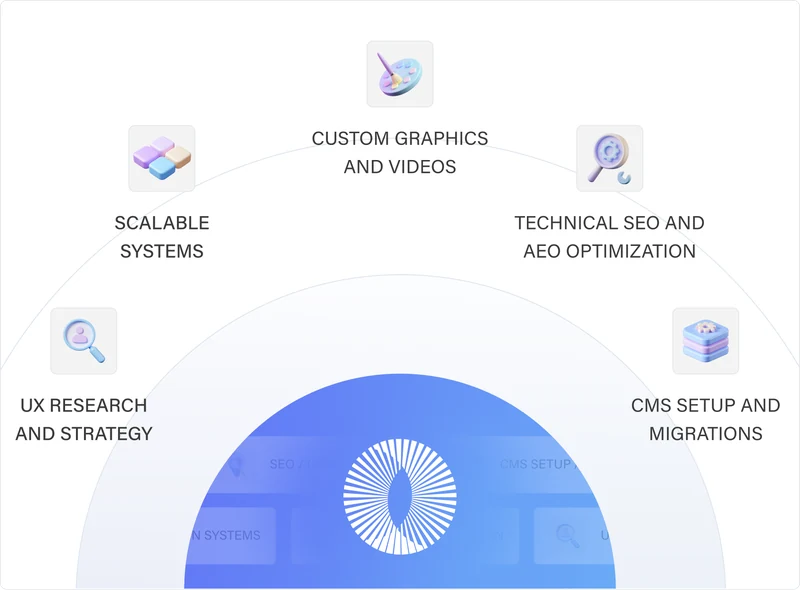
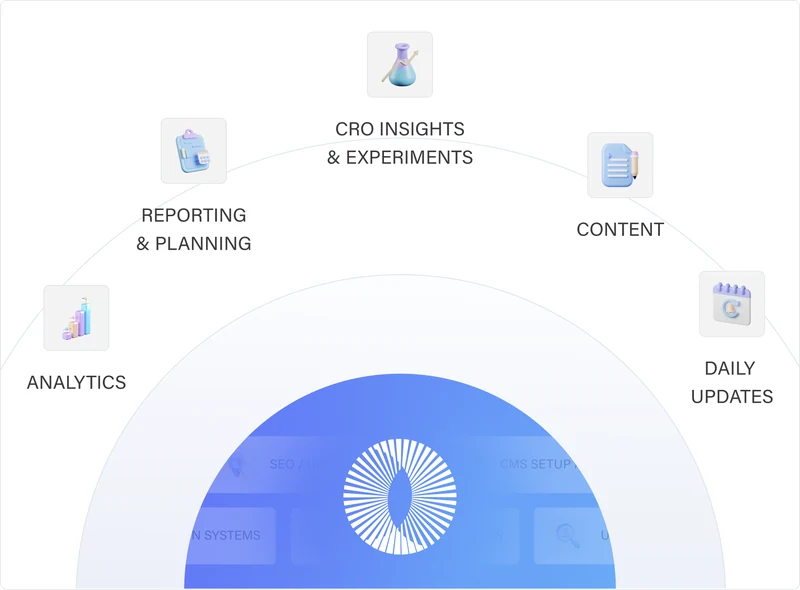
Custom Websites & Migrations
We work as an extension of your company’s marketing team to build scalable, high-converting, and SEO/AEO optimized websites using the right technologies for your business.
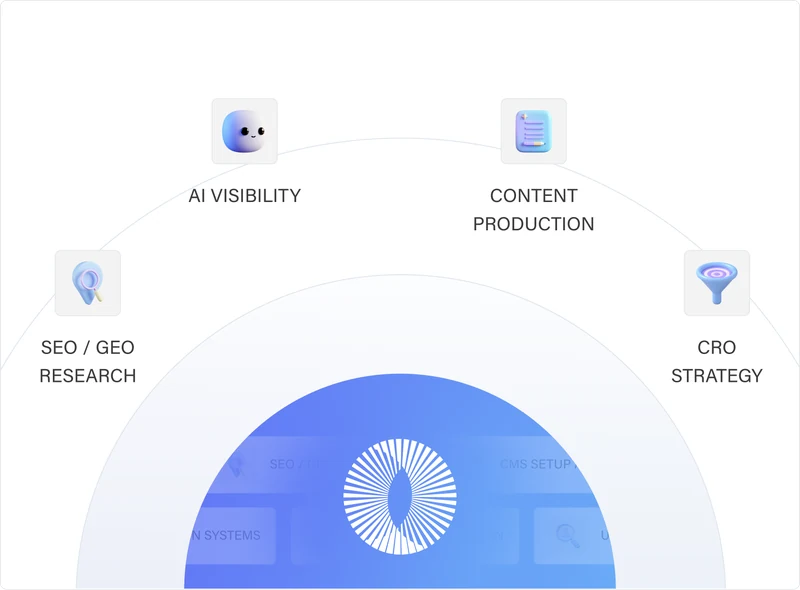
Learn MoreGrowth (SEO/GEO + CRO)
We drive traffic to your website through SEO and content strategy, then we convert those visitors into leads with the right CRO improvements.
Learn MoreOngoing Website Support
We provide the strategy, design, development, and support needed to keep it improving, without the cost and complexity of building an internal team.
Learn MoreTrusted by +100 companies




Cybersecurity website design FAQs.
What makes web design for cybersecurity companies different?
The buyers. Cybersecurity teams check claims for a living, buying groups include engineers who read the documentation, and procurement asks for evidence before signing. The site needs more technical depth, more verifiable proof and less hype than a typical B2B software site, and it has to pass a security review of its own.
What should a cybersecurity company website include?
At minimum: a home page that says what you protect and for whom, product pages that show how it works, and integration pages. Add use-case or threat pages, customer evidence, a trust center or security page, a pricing or packaging page, and a clear demo path. A vulnerability disclosure policy and a security.txt file help too, because the people evaluating you may look for both.
How do you write for CISOs and engineers on the same site?
Give each one a path. Headlines and overview pages talk about outcomes and risk for leadership, and every product claim links to the technical detail an engineer needs to believe it. The two groups read different pages, so neither has to wade through the other's content.
Should a security company publish pricing?
If your model allows it, yes, or at least explain how pricing works: per user, per endpoint or by data volume. In TrustRadius research, missing pricing information was the top reason tech buyers gave for being less likely to buy. Enterprise-only pricing can still explain what drives the price.
Is Webflow secure enough for a cybersecurity company's website?
For a marketing website, it is for most companies. Webflow's security page lists SOC 2 Type II and ISO 27001 among its certifications, and its trust center publishes reports your team can review. It is not HIPAA compliant by default. Your product and customer data don't live on the marketing site.
Can you work through our security review and procurement?
Yes. We sign master services and data processing agreements, and we have completed vendor security questionnaires and security reviews for enterprise clients. Send your questionnaire early so it doesn't hold up the start date.
Can you build a trust center?
Yes. We build a trust page into the site, or design around a hosted trust center from a platform such as Vanta, Drata or SafeBase if you already use one. Either way it should list certifications, policies, subprocessors and a way to request your SOC 2 report.
How long does a cybersecurity website project take?
The same drivers as any B2B site set the timeline: templates, content volume, integrations and review rounds. Security companies add legal and compliance reviews, so we schedule those from the start and fix the timeline in the website strategy plan before the build begins.
Do you work with security companies that aren't on Webflow?
Yes. We build most sites in Webflow, migrate sites from WordPress and other platforms, and build custom-coded sites when a project needs it.